
How to Dispose of Condoms Properly: Bin, Toilet and Recycling
Once you've used a condom, disposing of it probably isn't something you want to spend much time thinking about. However, putting it in the right place matters.
The simple answer is that used condoms should go in your general waste bin. They shouldn't be flushed down the toilet or placed in household recycling.
Disposing of condoms correctly only takes a few seconds and helps prevent unnecessary plumbing problems and waste entering the environment.
Here's what you need to know about disposing of condoms at home or when you're away.
How should you dispose of a used condom?
After sex, carefully withdraw while holding the condom at the base to help prevent it from slipping off.
Remove the condom, tie a knot in the open end if you wish, and wrap it in some tissue or toilet paper. You can then place it in your general household waste.
The basic process is:
- Carefully remove the condom.
- Wrap it in tissue or toilet paper.
- Place it in a general waste bin.
- Wash your hands.
The NHS guidance on condoms advises putting used condoms in the bin rather than the toilet. You should also use a new condom every time you have sex and never wash or reuse one.
Can you flush condoms down the toilet?
No. Condoms should never be flushed down the toilet.
Unlike toilet paper, condoms are designed to be strong and resistant to breaking down. This is an important feature while they're being used, but it also makes them unsuitable for flushing.
Once a condom enters the drainage system, it can contribute to blockages in pipes and sewers.
Even if you've flushed condoms before without noticing a problem, that doesn't mean they've broken down or disappeared. They may simply have travelled further through the drainage system.
The easiest rule to remember is simple: toilet paper goes down the toilet, condoms go in the bin.
Can condoms be recycled?
Used condoms shouldn't go in your household recycling.
Recycling systems are designed to process specific clean materials, such as certain types of paper, cardboard, glass, metal and plastic. A used condom isn't suitable for this process.
This applies regardless of whether the condom is made from latex or a non latex material.
Condom wrappers also need a little consideration. They're often made using more than one material, which can make them unsuitable for standard household recycling.
Check your local authority's recycling guidance if you're unsure about packaging, as recycling rules can vary between areas.
Are condoms biodegradable?
You might assume that because natural latex originates from rubber trees, latex condoms can simply be left to break down naturally.
It's not quite that straightforward.
Finished condoms contain more than raw natural latex and are manufactured to remain strong and stable during storage and use. You therefore shouldn't treat a condom as biodegradable waste, compost it or dispose of it outdoors.
Non latex condoms can be made from different synthetic materials and should also go into general waste after use.
If you're interested in how condom materials differ, our guide to Latex vs Non Latex Condoms explains the main options.
What about vegan condoms?
Vegan condoms should still be disposed of in exactly the same way.
The term vegan relates to the ingredients and manufacturing of the product. It doesn't mean you can compost the condom or dispose of it in food or garden waste.
After use, a vegan condom should still go into your general waste bin.
If you'd like to understand what makes a condom vegan, read What Makes a Condom Vegan?.
How should you dispose of condoms discreetly?
If privacy is important, wrapping a used condom in tissue or toilet paper before putting it in the bin is usually enough.
You can also use a small waste bag if you prefer.
There's no need to put a condom down the toilet simply because you don't want someone else to see it in the bin. Wrapping it and placing it with your normal general waste is both discreet and responsible.
What if there isn't a bin nearby?
If you're away from home, don't leave a used condom behind or flush it down the nearest toilet.
Wrap it securely in tissue and place it in a general waste bin when you find one.
If you're camping, at a festival or somewhere without convenient waste facilities, you can place the wrapped condom inside a small waste bag and take it with you until you reach a suitable bin.
Never leave condoms outdoors. Aside from littering, discarded condoms can end up in waterways or be encountered by wildlife.
What should you do with unused condoms?
If a condom has passed its expiry date, has a damaged wrapper or hasn't been stored correctly, don't use it.
You can dispose of an unused condom in general household waste.
Before deciding whether to throw it away, check the expiry date printed on the packaging. Condoms should also be stored somewhere cool and dry, away from excessive heat and direct sunlight.
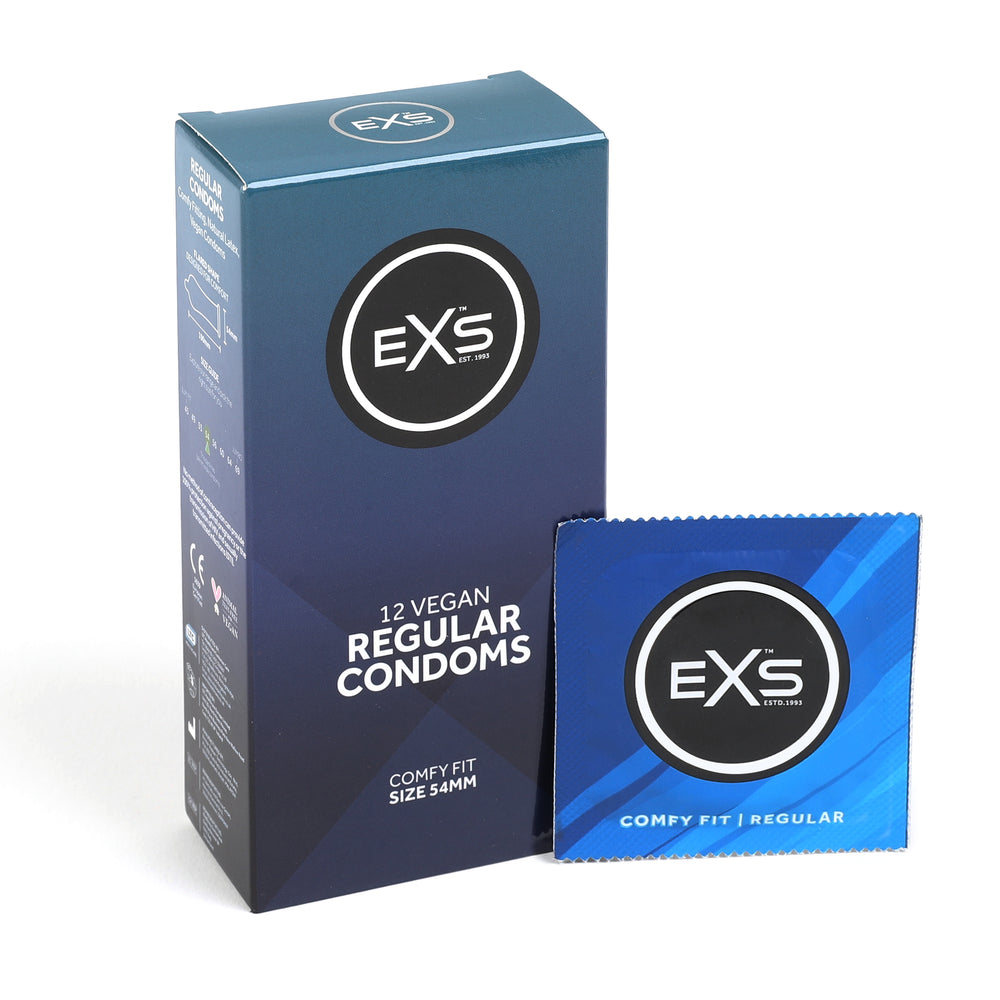
If you're new to buying and storing condoms, our Buying Condoms for the First Time guide covers the basics.
Making condom disposal simple
There isn't a complicated recycling process or special disposal method you need to remember.
After using a condom, wrap it up and put it in your general waste bin.
Don't flush it down the toilet, put it in household recycling, compost it or leave it outdoors.
Taking a few seconds to dispose of a condom correctly keeps things hygienic, helps protect your plumbing and prevents unnecessary waste from ending up where it shouldn't.
Blog posts


Why Are Condoms Flavoured? Uses, Safety and Which Flavour to Try
Why are condoms flavoured? Learn how they are commonly used, what to check before use and how EXS flavours such as strawberry, cola and bubblegum compare.


What Do Ribbed Condoms Do? Ribbed and Dotted Condoms Explained
Ribbed and dotted condoms add texture that can change sensation during sex. Learn how the different designs compare and what else affects comfort.


How to Put On a Condom Correctly: A Step-by-Step Guide
A simple step-by-step guide to putting on a condom correctly, avoiding common mistakes, using the right lubricant and removing it safely afterwards.